
Deep Tissue Massage - 60 Min Gallery
$$MultiPurposeText$$
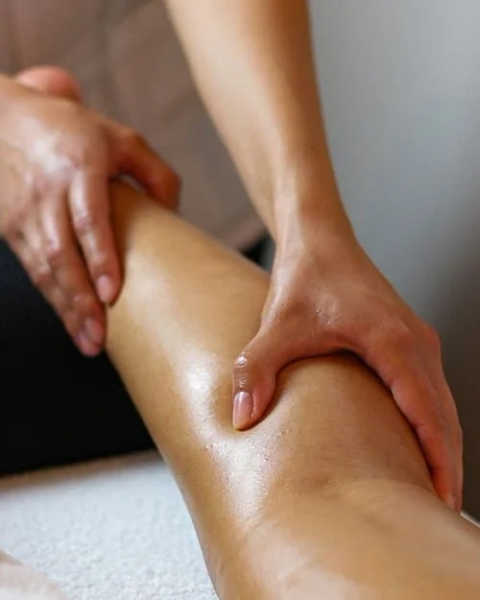
See examples of our Deep Tissue Massage - 60 Min work and results.













What Our Clients Say
$$MultiPurposeText$$
Read testimonials from our satisfied customers

A wonderful experience!! I entered in pain and exited completely rejuvenated. Katia is an...more

...more
Frequently Asked Questions
Get answers to common questions about Deep Tissue Massage - 60 Min.
You’ll begin with a brief assessment of medical history and problem areas. The therapist uses focused, slow strokes and firm pressure to reach deep tissues, with regular check-ins about comfort. Mild soreness for a day or two is normal.
Yes, when performed by a trained therapist it’s safe for many first-timers. Pressure is adjusted to your tolerance. Inform us of medical conditions like blood disorders, recent surgery, or pregnancy to determine suitability or necessary modifications.
Arrive hydrated and avoid a heavy meal immediately beforehand. Wear comfortable clothing and be ready to describe specific pain points. Plan light activity after the session and allow time to rest so your body can integrate the work.
Mild to moderate soreness is common and usually resolves within 24–72 hours. Use heat, gentle stretching, rest, and extra water to aid recovery. If you experience severe pain or prolonged symptoms, contact your therapist or healthcare provider.
For chronic tension or injury recovery, many clients begin with weekly sessions and then reduce frequency as symptoms improve. Maintenance often ranges from biweekly to monthly. We’ll create a personalized plan based on your response and goals.
Yes—deep tissue work can accelerate healing by breaking scar tissue, improving circulation, and restoring mobility. It’s often combined with cupping or therapeutic exercises. Always share injury history so treatment can be tailored and progressed safely.