
60 Minute Session Gallery
$$MultiPurposeText$$
See examples of our 60 Minute Session work and results.



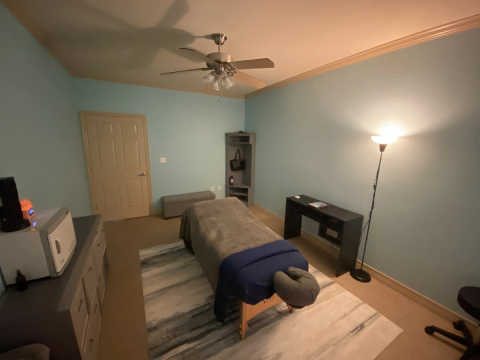

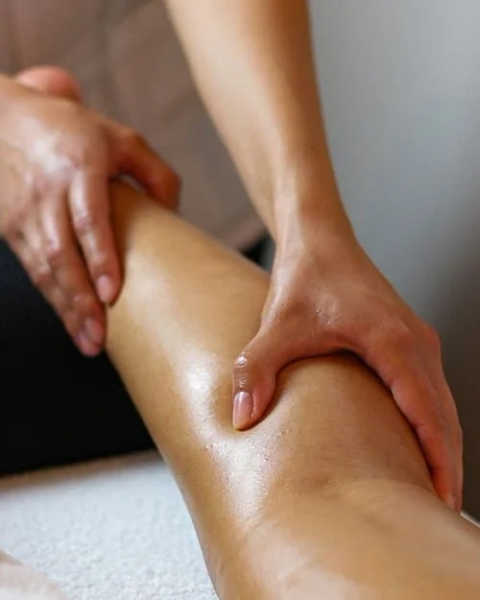





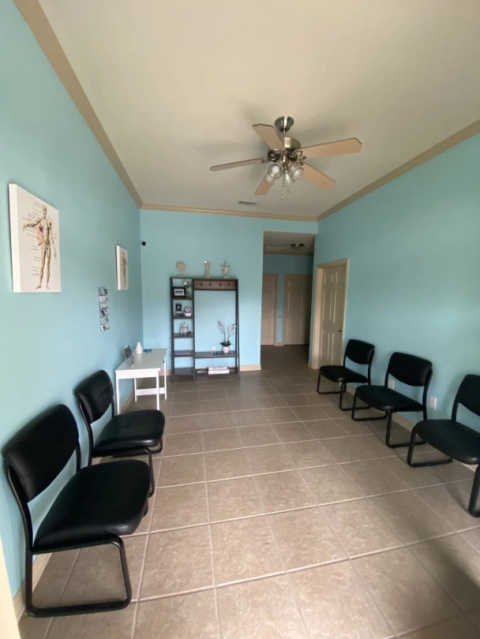


What Our Clients Say
$$MultiPurposeText$$
Read testimonials from our satisfied customers

Katia was amazing. She asked a lot of great questions before the massage started as well a...more

Very pleased experience! Katia is very experienced, attentive and thorough. While visitin...more

I started seing Katia because I had major scar tissue adhesions that developed after breas...more

I love a technician who is always studying and learning the latest in their field. Katia i...more

Katia has been my go to therapist for over 1.5 years and I am excited to see her launch he...more

...more
Frequently Asked Questions
Get answers to common questions about 60 Minute Session.
Expect a brief intake, focused hands-on treatment, and aftercare guidance. Session is customized to your concerns with a mix of therapeutic techniques, tension release, and relaxation. We prioritize comfort, communication, and measurable improvements during and after the hour.
Arrive hydrated and wear comfortable clothing. Complete a short intake form and discuss goals or medical concerns with your therapist. Avoid heavy meals right before your session; plan a few minutes extra to relax before and after the treatment.
Yes — cupping can be integrated when appropriate. Your therapist will assess tissue quality and medical history, then apply cups selectively alongside massage techniques. Expect temporary redness or marks; benefits include increased circulation, fascia release, and complementary pain reduction.
A 60 Minute Session often suits chronic pain by addressing tight areas and movement patterns. Regular treatments plus home care can reduce pain and improve function, though severe conditions may require coordination with medical professionals for comprehensive management.
Frequency depends on your goals and condition. For acute issues, weekly sessions for several weeks are common; chronic maintenance can be every two to four weeks. Your therapist will recommend a personalized schedule based on response and lifestyle.
Communication is encouraged—tell your therapist if pressure feels too light or too intense. Therapists continually check in and can adjust techniques, speed, or focus areas to keep the session effective and comfortable for your needs.